Roof Inspection and Core Cuts
We walk the roof, take core samples through the existing assembly, and run a moisture meter and infrared thermal camera scan. You get a written report with photos showing what's there and what needs to happen.
Built-Up Roofing BUR in Oklahoma is a multi-ply asphalt system that stands up to our state's hail, 100-degree summers, and high-wind events better than most single-ply options. We install, repair, and maintain BUR roofs for warehouses, retail centers, schools, and churches across Oklahoma. If your flat roof is leaking, ponding, or due for replacement, we'll give you a straight answer and a free estimate.
Built-Up Roofing BUR in Oklahoma is a commercial roof system built in layers: alternating plies of asphalt-saturated felt and hot asphalt, finished with a surfacing of gravel, mineral cap sheet, or reflective coating. Most assemblies run three to four plies thick, which is why BUR roofs handle foot traffic, hail impact, and thermal shock better than a single membrane. We install BUR over roof insulation board, mechanically fastened or adhered to the deck, with reinforced flashing at walls, curbs, drains, and penetrations. Every seam gets rolled, every lap gets sealed, and the finished surface gets a flood coat of asphalt and gravel or a coating system.
Oklahoma commercial buildings take a beating. Hailstorms roll through the Ada and Elk City corridors in spring, wind uplift peels back poorly attached membranes, and summer heat pushes surface temps past 150 degrees. A properly built BUR roof absorbs that punishment because the plies are laminated together into one monolithic sheet. We also repair and re-cover BUR roofs that other contractors wrote off, using infrared thermal camera scans to find wet insulation before we open anything up. If you need BUR roof repair Oklahoma commercial property owners can count on, we'll tell you whether a repair, a re-cover, or a full replacement makes more sense for your building.
Every BUR project we bid includes the items below in writing. If something isn't in your scope, we'll tell you upfront so there are no surprises. Add-ons like reflective coatings, additional insulation, or roof hatches are quoted separately.
We walk the roof, take core samples through the existing assembly, and run a moisture meter and infrared thermal camera scan. You get a written report with photos showing what's there and what needs to happen.
If the existing roof qualifies for re-cover, we prep the surface and install new plies over it. If not, we tear off to the deck and haul away all debris. The scope spells out which approach we're using and why.
We replace rotted decking, then install roof insulation board to meet Oklahoma energy code. Attachment is spec'd for the local wind zone, with staggered joints and proper fastener density.
We install each ply of built-up roofing felt with hot asphalt, rolling every lap. Base flashing, counterflashing, drain rings, and curb details get reinforced fabric and extra plies. This is the core of the system.
We finish with gravel, a mineral cap sheet, or a reflective roof coating. Then we clean the site, haul off debris, and walk the roof with you to show you the drains and flashings before we leave.
You get a 10-year workmanship warranty and the manufacturer's material warranty, typically 15 to 20 years. We also schedule your first maintenance visit and give you a written maintenance checklist for your building.
We walk the roof, take core samples through the existing assembly, and run an infrared thermal camera scan to map wet insulation. You get a written report with photos showing exactly what's up there and what it will take to fix it. This step takes two to four hours on most buildings.
If the existing roof has three or fewer layers and the deck is sound, we can often re-cover. If there's wet insulation, deck rot, or too many existing layers, we tear off to the deck. We explain the cost difference and let you decide. Most Oklahoma buildings we see qualify for re-cover.
We replace any rotted decking, then install roof insulation board to meet current Oklahoma energy code. Insulation gets mechanically fastened or adhered, with staggered joints and proper attachment density for the local wind zone. This is where wind uplift resistance is won or lost.
We mop or torch each ply of built-up roofing felt in sequence, rolling every lap with a seam roller while the asphalt is hot. Base flashing, counterflashing, drain rings, and curb details get reinforced fabric and extra plies. A 20-square roof takes three to five days with a four-man crew.
We finish with a flood coat and gravel, a mineral cap sheet, or a reflective roof coating depending on your building and budget. Then we walk the roof with you, show you the drains and flashings, and hand over a warranty packet. We also schedule your first maintenance visit.
We walk the roof, take core samples through the existing assembly, and run an infrared thermal camera scan to map wet insulation. You get a written report with photos showing exactly what's up there and what it will take to fix it. This step takes two to four hours on most buildings.
Maps temperature differences across the roof to find wet insulation under the plies without tearing anything open. We use it on every inspection.
Confirms what the thermal scan suggests. We take readings at grid points across the roof and mark wet areas with paint before we bid.
Heats asphalt to the right temperature for mopping plies and flood coats. Temperature control is critical: too cold and the plies don't bond, too hot and the asphalt burns.
Rolls every lap while the asphalt is hot to push out air and ensure full contact. Skipping this step is the number one cause of seam separation we see on other contractors' work.
Distributes weight on fragile or steep sections so we can inspect and work without damaging the roof surface. Useful on older BUR roofs with soft spots.
Cleans gravel and debris off the roof surface before we install new plies or coatings. A clean substrate is the difference between a coating that lasts 10 years and one that peels in two.
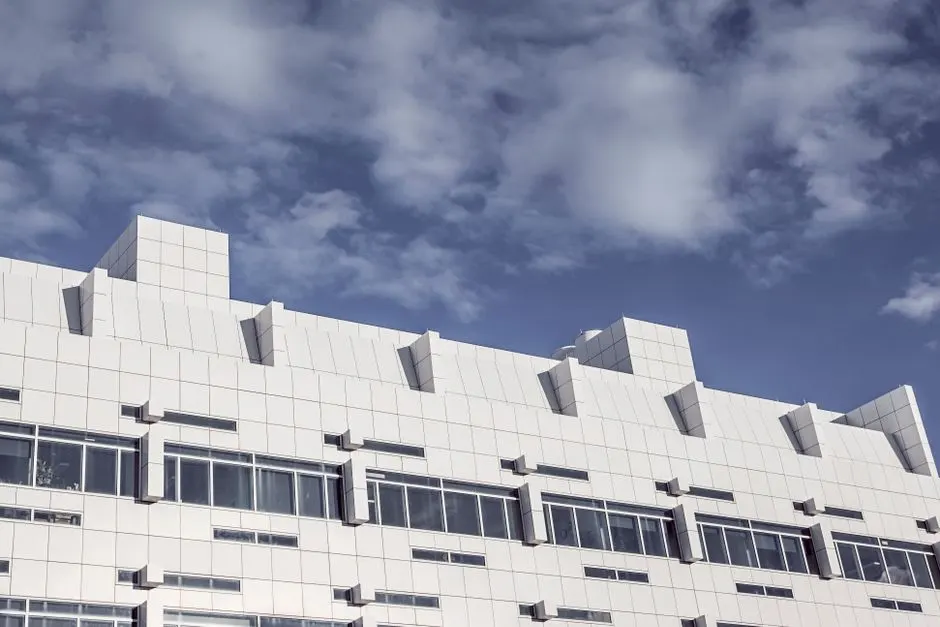
A 30,000-square-foot warehouse with a 22-year-old BUR roof was leaking in three bays. Two other contractors quoted full tear-offs at over $300,000. The owner wanted a second opinion before committing.
After: We ran an infrared scan and found wet insulation in only three bays. We tore off those areas, installed new insulation board, and re-covered the rest with two new plies and a reflective coating. Total cost: $135,000. No leaks in two years.
Book this service →
A retail center with a BUR roof took a direct hail hit. Granules were stripped from about 40 percent of the surface, and the owner's insurance adjuster initially denied the claim as cosmetic damage.
After: We documented the damage with core samples and photos showing bruised plies under the granule loss. The adjuster reversed the denial. We replaced the damaged cap sheet and re-surfaced the roof. The building was dry and the claim covered $48,000 of the $52,000 cost.
Book this service →
A 25-year-old BUR roof on a church building was showing its age: surface cracking, loose flashings, and two small leaks near the sanctuary. The congregation was quoted a full replacement at $95,000.
After: We patched the flashings, re-coated the entire surface with a reflective roof coating, and repaired the two leak areas. Total cost: $22,000. The roof is watertight and the reflective coating cut summer cooling costs by about 12 percent.
Book this service →Most BUR roof failures we see in Oklahoma fall into a handful of categories. Here's what we find and how we fix it.
Ask a pro →We map the low spots, add tapered insulation or a cricket to restore drainage, and repair any plies that have already failed. We also clear and re-set drains and scuppers so water leaves the roof instead of sitting on it.
We document hail damage with photos and core samples for your insurance claim, then replace damaged plies and re-surface the affected areas. If the damage is widespread, we bid a re-cover or replacement and let you compare.
We remove failed flashing, install new base flashing with reinforced fabric and extra plies, and re-set counterflashing with proper cleats. We also seal penetrations and curb joints that other contractors skip.
We cut out blistered areas, dry the assembly, and re-ply the section with hot asphalt and a seam roller. Separated laps get re-mopped and re-rolled. We also check the rest of the roof for the same issue so you're not calling us back next month.
“We had three leaks in our 22,000-square-foot retail building and two other contractors told us we needed a full tear-off. De La Cruz came out, ran an infrared scan, and found the wet insulation was only in two spots. They repaired those areas, re-coated the rest, and we haven't had a leak in two years. Saved us about $80,000.”
Marcus T.Property Manager, Oklahoma City
✓ Verified“Our sanctuary roof was 24 years old and we were afraid it was done. Their crew inspected it, patched the flashings, and told us we had five more years if we kept up with maintenance. They didn't try to sell us a new roof. That honesty is why we've used them for every building since.”
Sandra K.Church Administrator, Shawnee
✓ Verified“After the last hail storm, our BUR roof had granule loss everywhere but no punctures. De La Cruz documented the damage for our insurance claim, replaced the damaged cap sheet, and had us back in business in four days. The adjuster said their report was the most thorough he'd seen.”
Dale R.Warehouse Owner, Elk City
✓ VerifiedMost BUR installations in Oklahoma run $6 to $12 per square foot installed in 2026, depending on tear-off, insulation thickness, and surfacing. A 20,000-square-foot roof typically lands between $120,000 and $240,000. Re-covers cost 30 to 40 percent less than full tear-offs. Repairs run $500 to $3,500 depending on scope. We give you a written number after we've been on the roof, not before.
A properly installed four-ply BUR roof lasts 20 to 30 years in Oklahoma with annual maintenance. Hail events and ponding water are the two biggest life-shorteners. We've inspected 25-year-old BUR roofs in Shawnee and Lawton that were still serviceable. Roofs that get inspected every spring and patched promptly consistently outlast roofs that get ignored until they leak.
Yes. BUR handles Oklahoma's hail, wind, and thermal cycling better than most single-ply membranes because the multiple plies and gravel surfacing absorb impact and movement. The system has been the flat-roof standard here for decades. The main caveat is weight: a gravel-surfaced BUR adds 5 to 7 pounds per square foot, so we verify the deck and structure can carry it before we bid.
Look for a contractor who walks the roof, takes core samples, and shows you photos before quoting. Ask for manufacturer certifications and a workmanship warranty of at least 10 years. We serve the entire state, from Ada and Choctaw to Elk City and Foyil, and we'll come out, inspect, and give you a written scope at no charge. Call us at 18555166090 to schedule.
We deliver Built-Up Roofing BUR across Oklahoma, from the Oklahoma City metro to rural communities and everything in between. Whether your building is in a large city or a small town, the same crew that bids the job runs the job. Here are some of the communities we serve regularly.
BUR installation, repair, and maintenance for Ada's retail centers, churches, and school buildings. Many Ada roofs are good candidates for re-cover instead of full replacement, and we'll tell you which one makes sense.
↗ 02 AntlersBuilt-up roofing for Antlers commercial and industrial buildings. We handle everything from small repairs to full re-covers, and we know the local building stock because we've worked on it for years.
↗ 03 BlanchardBUR roofing for Blanchard businesses and property managers. We've re-covered several buildings here that other contractors said needed full tear-offs, saving owners 30 to 40 percent.
↗ 04 CantonBuilt-up roofing systems for Canton commercial properties. We inspect, repair, and install BUR roofs and provide written scopes with photos so you know exactly what you're paying for.
↗ 05 ChoctawBUR roof repair and installation in Choctaw. We've helped several property owners here document hail damage for insurance claims and get their roofs restored without a full replacement.
↗ 06 DacomaBuilt-up roofing for Dacoma area buildings. We travel to northwest Oklahoma regularly and bring the same equipment and standards we use in the metro. No job is too far.
↗ 07 Elk CityBUR roofing in the western Oklahoma hail corridor. We know Elk City roofs take a beating, and we spec impact-rated surfacing and more frequent inspections to keep them watertight.
↗ 08 FoyilBuilt-up roofing for Foyil commercial and industrial buildings. We handle repairs, re-covers, and full installations, and we'll give you a straight answer on what your roof actually needs.
↗ 09 HarrahBUR roofing for Harrah businesses. We've re-coated and repaired several roofs here, extending their life by five to ten years and saving owners the cost of early replacement.
↗ 10 JoneBuilt-up roofing systems for Jone area properties. We provide inspections, repairs, and installations with written scopes and workmanship warranties. Call us to schedule a visit.
↗We'll walk your roof, take core samples, and give you a written scope with photos. No charge, no pressure, no sales pitch. Call 18555166090 or request an estimate online and we'll schedule a visit within two business days.
Request Free Estimate 18555166090 →Call us at 1-855-516-6090 or send a message and we will get back to you within one business day. Our office is open Monday through Friday, 8 a.m. to 6 p.m., and our emergency line is answered 24/7 for storm damage and active leaks. We serve commercial buildings across the entire state of Oklahoma.