Full Roof Walk Inspection
We walk every section of the roof, not just the area around the last leak. Penetrations, curbs, edges, and field membrane all get checked. You get photos of every issue we find, marked on a roof map.
Commercial Roof Maintenance in Oklahoma means scheduled inspections, seam repairs, and drainage work that keep your building dry through every season. We handle TPO, EPDM, PVC, modified bitumen, and built-up roofs for warehouses, retail centers, and offices from Norman to Goodwell. One call puts a crew on your roof before small problems become five-figure replacements.
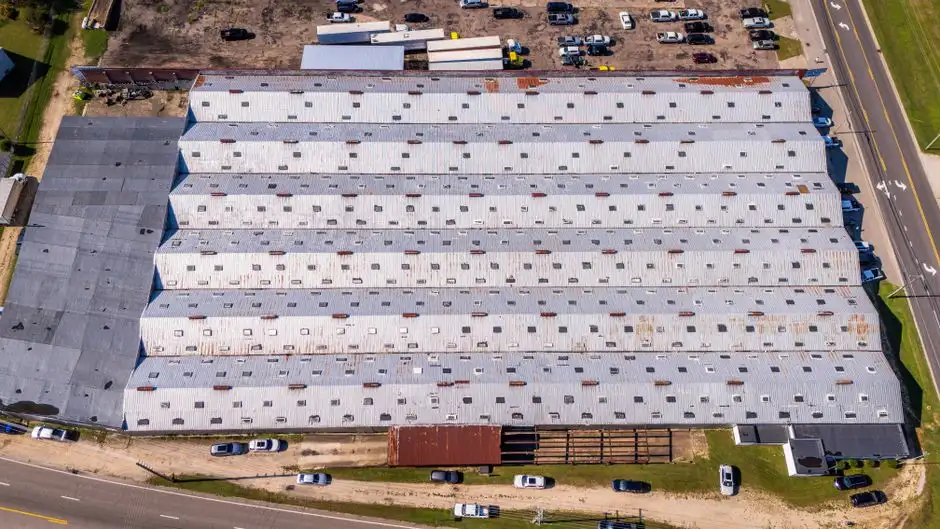
Commercial Roof Maintenance in Oklahoma is scheduled roof care that finds and fixes small defects before they turn into leaks, interior damage, or full replacement. Our technicians walk the membrane, check every seam, probe flashing, clear drains, and tighten fasteners. We document what we find with photos and moisture readings, then repair what needs fixing that day. You get a roof that performs, a written record for your files, and no surprise invoices.
Oklahoma roofs take a beating. Spring hail, 100-degree summer heat, 70 mph wind gusts, and winter freeze-thaw cycles all work against your membrane. A preventative commercial roof maintenance Oklahoma program catches hail damage, wind uplift, and seam separation while repairs are still cheap. Most of our commercial clients schedule annual commercial roof maintenance in Oklahoma, and the ones who do spend far less over ten years than owners who wait for a leak.
Every Commercial Roof Maintenance in Oklahoma visit follows the same checklist, whether your building is 5,000 or 200,000 square feet. Repairs beyond routine sealing are quoted before we start, so you always know the number before we pick up a tool.
We walk every section of the roof, not just the area around the last leak. Penetrations, curbs, edges, and field membrane all get checked. You get photos of every issue we find, marked on a roof map.
A moisture meter and infrared thermal camera scan for saturated insulation board. Wet insulation spreads damage sideways, so catching it early saves thousands in deck repair. We chalk-mark wet zones so you can see them yourself.
We clear every drain, scupper, and gutter of leaves, gravel, and debris. Standing water is the fastest way to destroy a flat roof in Oklahoma. Clear drains mean water leaves the roof instead of finding a way inside.
Lifted seams get re-rolled with a seam roller and re-welded with a hot air welder on TPO and PVC. Flashing gets resealed with manufacturer-approved adhesives. These two repairs prevent most of the leaks we see.
We check termination bars, edge metal, and fasteners for wind uplift damage. Oklahoma wind gusts over 70 mph pull at every edge on the roof. Loose fasteners get tightened or replaced before the next storm.
You receive a report within 48 hours listing every issue, its priority, and the recommended fix. It documents the visit for warranty and insurance purposes. Your maintenance history lives in one file.
We start with a full walk of your roof, usually 60 to 90 minutes for a 20,000 sq ft building. We map every penetration, seam, drain, and HVAC curb. You get photos of every issue and a plain-English summary of what we found.
A moisture meter and infrared thermal camera scan the field for saturated insulation. We mark wet zones with chalk so you can see them. This step catches the leaks that have not reached your ceiling yet.
A power broom and hand tools clear leaves, gravel, and construction debris from drains and scuppers. Clogged drains cause ponding water, and ponding water causes the leaks you call us about in July. This step alone prevents most summer leak calls.
We reseal flashing, re-roll lifted seams with a seam roller, and patch membrane punctures. TPO and PVC repairs use a hot air welder for a watertight weld. Modified bitumen and built-up sections get torch or cold-applied patches depending on the spec.
You get a written report with photos, moisture readings, and a prioritized repair list. We flag anything that needs attention before next storm season. If a section is failing, we tell you now instead of waiting for the leak.
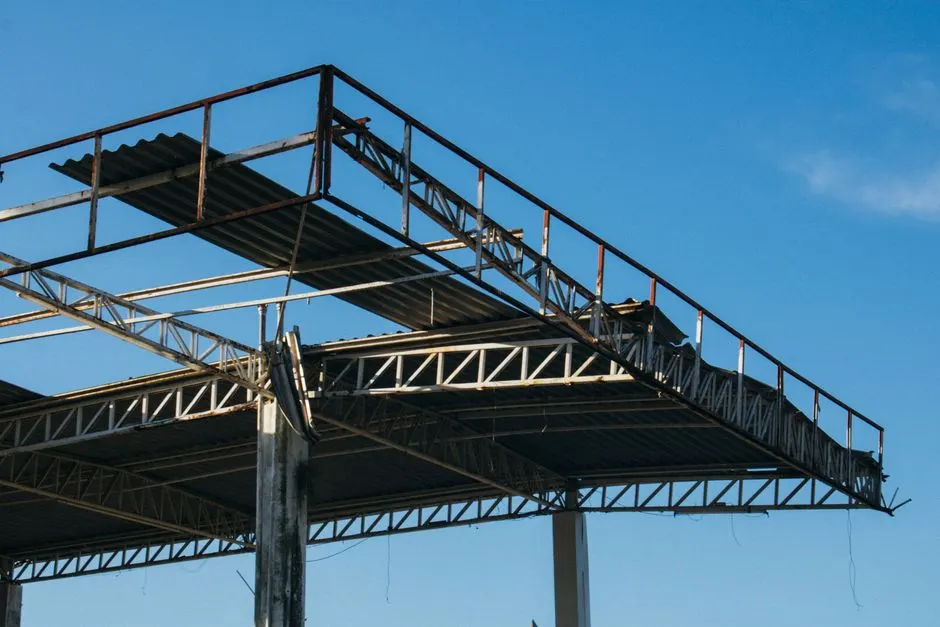
We start with a full walk of your roof, usually 60 to 90 minutes for a 20,000 sq ft building. We map every penetration, seam, drain, and HVAC curb. You get photos of every issue and a plain-English summary of what we found.
Detects saturated insulation board by temperature difference. Finds hidden moisture that a visual inspection misses entirely, especially after rain.
Confirms wet insulation and decking at specific points. We use it to map the exact boundary of water damage so repairs stay targeted.
Welds TPO and PVC membrane seams and patches. A properly welded seam is stronger than the membrane itself and stays watertight for years.
Presses welded seams flat to ensure full contact. Skipping this step leaves weak seams that fail under wind uplift and thermal movement.
Clears gravel, leaves, and debris from the membrane and drains. Clean surfaces let us see damage and let adhesives bond properly.
Inspects steep or high sections safely without putting a technician at risk. Keeps the crew off dangerous slopes while still getting full coverage.
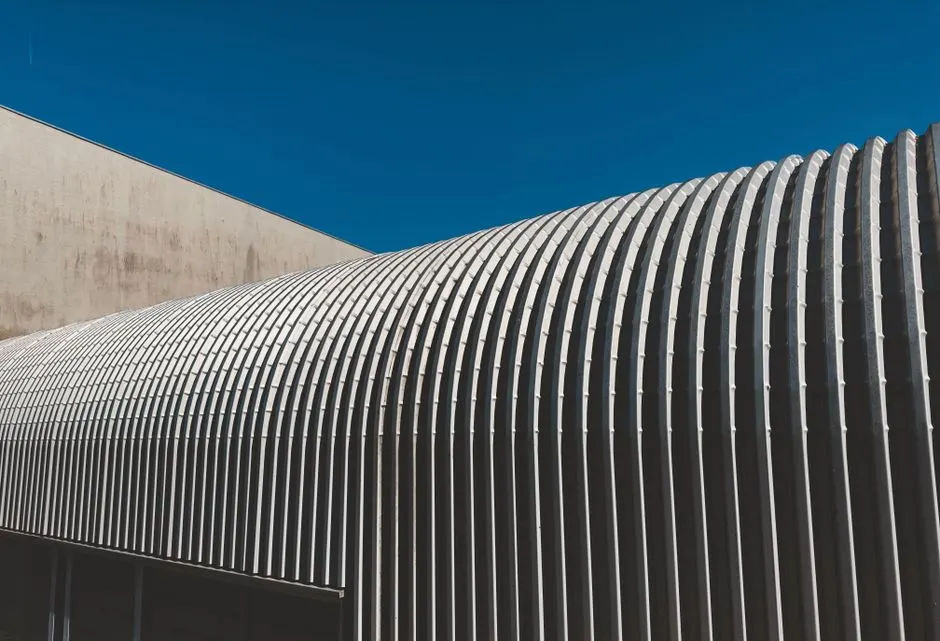
A 30,000 sq ft TPO roof in Norman had three active leaks over the office and shipping areas. The owner was catching water in buckets after every storm and had already replaced two ceiling tiles.
After: We found two separated seams and a cracked pipe boot flashing. Both seams were re-welded with a hot air welder, and the flashing was replaced. No leaks in the 14 months since, and the owner avoided a $45,000 replacement quote from another contractor.
Book this service →
A retail strip in Fairview had standing water on 40 percent of the roof after every rain. The drains were clogged with leaves and gravel, and the ponding had started to break down seams along the parapet.
After: We cleared all six drains, removed 300 pounds of debris, and resealed the parapet seams. Water now leaves the roof within 24 hours of a storm. The ponding damage stopped spreading and the membrane dried out.
Book this service →
A 14-year-old EPDM roof on a Burns Flat plant was showing its age. The owner had a replacement quote for six figures and was preparing to budget for it the following year.
After: Our inspection found the membrane itself was sound. The problems were flashing failures and a handful of punctures. We repaired the flashing, patched the punctures, and resealed the seams. The roof is now projected to last another six years.
Book this service →Most Oklahoma commercial roof failures start small and get expensive fast. Here are the problems our maintenance program catches before they cost you real money.
Ask a pro →We trace the leak to its actual source with a moisture meter, not just the wet spot on your ceiling. Then we repair the membrane, flashing, or seam causing it and verify the fix with a water test.
We clear drains and scuppers, check slope, and add tapered insulation or a new drain where the roof cannot shed water. Water should leave your roof within 48 hours of a storm.
We inspect after every major storm, document damage with photos, and repair punctures, lifted seams, and edge metal. Our reports support your insurance claim with proof the roof was maintained.
We reseal every flashing detail with manufacturer-approved adhesives and replace counterflashing that has failed. This single repair prevents the majority of leak calls we get.
“We had a leak over our shipping office every time it rained hard. De La Cruz found a separated seam and a clogged drain on the first visit. They welded the seam, cleared the drain, and we have not had a drop inside since. The photo report showed exactly what they fixed.”
Marcus T.Warehouse Owner, Norman
✓ Verified“I manage three retail buildings and needed one company to handle all of them. Their crew runs through Fairview twice a year on schedule. The written reports go straight into my insurance file. When hail hit last spring, the claim was approved without a fight.”
Sandra K.Property Manager, Fairview
✓ Verified“Our EPDM roof was 14 years old and we figured replacement was next. Their maintenance program patched the bad sections, resealed the flashing, and bought us another six years. Saved us a six-figure capital expense we were not ready for.”
Dale R.Plant Manager, Burns Flat
✓ VerifiedTwice a year is the standard for Oklahoma commercial roofs, once in early spring after hail season and once in late fall before winter. Buildings under heavy tree cover or with past ponding issues should go quarterly. Annual commercial roof maintenance in Oklahoma is the bare minimum, and it works for newer roofs with no history of leaks.
A standard visit covers a full roof walk, moisture survey with a moisture meter and infrared camera, drain and scupper clearing, seam inspection, flashing reseal, fastener check, and a written photo report. Repairs found during the visit are quoted separately. Most visits take 90 minutes to three hours depending on roof size and access.
Typical 2026 pricing runs $450 to $1,800 per visit for most Oklahoma commercial buildings, based on square footage, roof type, and access. A 20,000 sq ft TPO roof with easy ladder access sits near the low end. Multi-story buildings, heavy debris, or multiple roof sections push the number up. Most owners save that cost many times over by avoiding one emergency leak repair.
Yes. The majority of leaks we repair started as a lifted seam, a cracked flashing, or a clogged drain that sat for months. Preventative roof maintenance for Oklahoma businesses catches those three problems before water enters the building. No program stops hail damage or a 70 mph wind gust, but maintenance keeps the roof strong enough to survive them.
Our Oklahoma commercial roof maintenance services reach every corner of the state, from the I-35 corridor to the Panhandle. We run scheduled routes through metro areas and small towns alike, so your building gets the same attention whether it sits in Norman or Goodwell. Here is how we deliver maintenance in the communities we serve.
Norman sits in Oklahoma's heaviest hail corridor. We schedule spring inspections before storm season and document every bruise and seam lift for insurance claims.
↗ 02 AgraAgra's rural commercial buildings face open-plains wind exposure. We check edge metal and fasteners twice a year to prevent wind uplift damage.
↗ 03 AsherAsher businesses get the same scheduled maintenance program as metro clients. We clear drains, reseal flashing, and deliver written reports within 48 hours.
↗ 04 Burns FlatWestern Oklahoma heat and dust clog drains fast in Burns Flat. Our visits include thorough drain clearing and moisture scans to catch hidden saturation.
↗ 05 CarrierCarrier's freeze-thaw swings work flashing loose every winter. Fall maintenance reseals every penetration before the first hard freeze hits.
↗ 06 CooksonTree cover near Cookson drops debris year-round. We run quarterly drain clearing to keep water moving off roofs and prevent ponding.
↗ 07 DibbleDibble commercial roofs get full inspections with moisture meters and thermal cameras. We catch small leaks before they reach your ceiling tiles.
↗ 08 FairviewFairview's northwest wind exposure pulls at every seam and edge. Our crews check termination bars and fasteners on every maintenance visit.
↗ 09 GoodwellPanhandle temperature swings in Goodwell stress flashing and seams. We schedule fall and spring visits to stay ahead of freeze-thaw damage.
↗ 10 HitchcockHitchcock buildings get the same documented maintenance program as our metro clients. Photo reports, moisture readings, and repairs done right the first time.
↗One inspection now beats an emergency repair in July. Call De La Cruz Roofing and Construction and we will put your building on a maintenance schedule that fits your roof type and budget. Statewide crews, written reports, and repairs done right the first time.
Book Inspection 18555166090 →Call us at 1-855-516-6090 or send a message and we will get back to you within one business day. Our office is open Monday through Friday, 8 a.m. to 6 p.m., and our emergency line is answered 24/7 for storm damage and active leaks. We serve commercial buildings across the entire state of Oklahoma.