Full Roof Survey and Core Cuts
We walk the roof, take core samples and run a moisture meter across the deck to find wet insulation. You get a written report with photos and a system recommendation before any work is scheduled.
Commercial Roof Installation in Oklahoma means a roof system engineered for 70 mph wind gusts, two-inch hail and 100-degree summer deck temperatures, not a generic assembly copied from a catalog. We install TPO, EPDM, PVC and modified bitumen systems on warehouses, retail centers, schools and industrial buildings from Oklahoma City to Frederick. If your current roof is patched out, leaking at the seams or past warranty, we tear it off and put down a warranted system that holds.
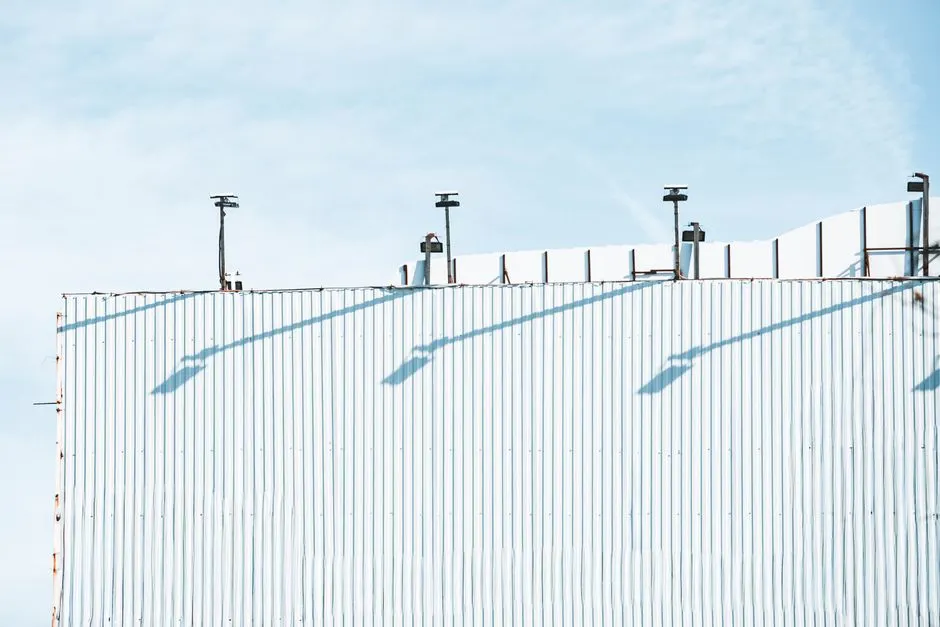
Commercial Roof Installation in Oklahoma is the full tear-off or re-cover of a low-slope roof system, including deck inspection, insulation board, membrane, flashing, fasteners and adhesives, installed to manufacturer spec and current Oklahoma building code. On a typical 20,000-square-foot warehouse we remove the old built-up roofing felt, check the deck for soft spots with a moisture meter, mechanically fasten polyiso insulation, then heat-weld 60-mil TPO membrane at every seam with a hot air welder and seam roller. The finished assembly carries a manufacturer NDL warranty when installed by a certified crew.
Oklahoma commercial buildings take a beating that coastal or northern roofs never see. Hail season runs April through June and punches through aged membrane; summer heat bakes adhesive-backed seams apart; winter ice and spring ponding water find every low spot on the deck. That is why so many property managers call us for a new commercial roof Oklahoma after the third or fourth repair in a single year. When repair costs start stacking up against replacement, a new roof installation for warehouses in Oklahoma usually pays back faster than another round of patches.
Every bid covers the full system, not just the membrane. Here is what is included on a standard commercial roof installation, and what we quote separately when your building needs it.
We walk the roof, take core samples and run a moisture meter across the deck to find wet insulation. You get a written report with photos and a system recommendation before any work is scheduled.
Old membrane, insulation and flashing come off and go into roll-off containers we place and haul. Decking is inspected and any rotted sections are replaced before the new assembly goes down.
New polyiso roof insulation board, mechanically fastened to code, then TPO, EPDM, PVC or modified bitumen membrane installed to manufacturer spec with hot air welder or adhesive per system.
Wall flashing, curb flashing, pipe boots, drip edge and edge metal are fabricated and installed to manufacturer detail. Flashing failures cause most commercial leaks, so this is where we spend the extra time.
We check slope, clean or replace drains, and build crickets or saddles where ponding water has been sitting. Standing water shortens membrane life faster than almost anything else on an Oklahoma roof.
Manufacturer NDL warranty registered in your name, as-built photos, maintenance schedule and a final walkthrough with your team. You get a packet you can hand to your insurance carrier or lender.
We walk the roof, core a few test cuts, run a moisture meter and infrared thermal camera across the deck, and photograph every flashing detail. You get a written report with the existing assembly, wet insulation locations, deck condition and two or three system options. This usually takes one to two hours on site.
We match the membrane to your building. TPO for most warehouses and retail, EPDM for buildings with heavy foot traffic or chemical exposure, PVC for restaurants and any roof with grease discharge. You see the manufacturer spec sheet, the warranty tier and the installed cost before you sign anything.
Crews strip the old membrane down to the deck, haul it off in roll-off containers, and replace any rotted decking. We power broom the surface, check slope with a level, and build crickets or saddles where ponding water has been sitting. Most tear-offs on a 20,000-square-foot roof take two to three days.
We mechanically fasten roof insulation board, then roll out and weld the membrane. Every seam gets a hot air welder pass and a seam roller, and we probe-test welds at the start of each day. Flashing, edge metal and pipe boots go on last, sealed to manufacturer detail.
A manufacturer technical rep inspects the finished roof before the warranty is issued. We walk you through the closeout packet: warranty documents, as-built photos, maintenance schedule and the punch list. Final payment is due after you sign off on the inspection.
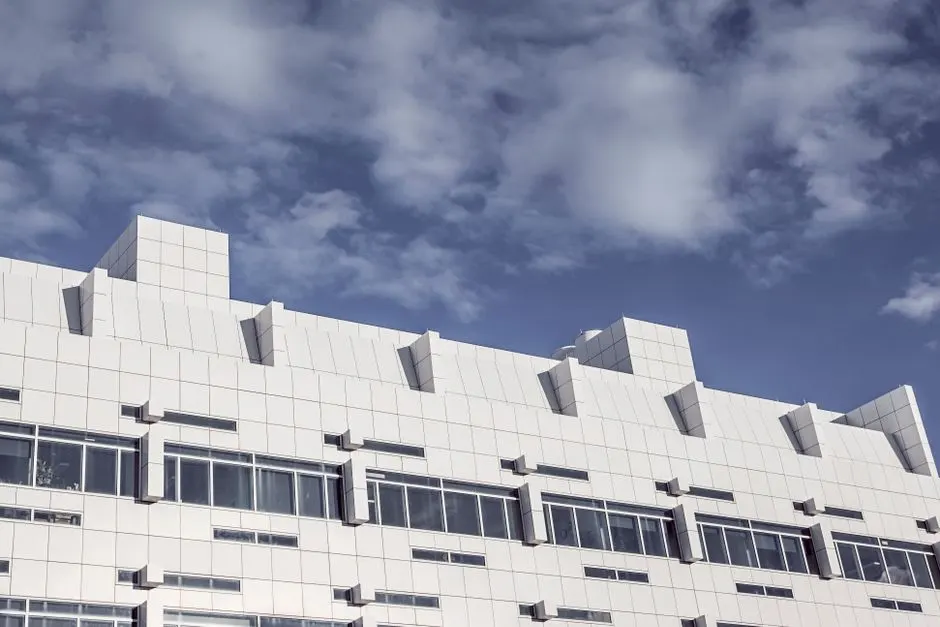
We walk the roof, core a few test cuts, run a moisture meter and infrared thermal camera across the deck, and photograph every flashing detail. You get a written report with the existing assembly, wet insulation locations, deck condition and two or three system options. This usually takes one to two hours on site.
Welds TPO and PVC membrane seams at 900 to 1,100 degrees to create a fused, watertight bond stronger than the membrane itself.
Presses the welded seam while it is still hot, eliminating air pockets and ensuring a uniform bond across the full seam width.
Detects wet insulation under the membrane so we know exactly how much of the roof deck needs to come out before we bid the job.
Maps temperature differences across the roof to find hidden wet zones that a visual inspection would miss entirely.
Hauls insulation and membrane across large roofs without damaging the new surface or tying up the crew on manual carries.
Cleans the deck of debris and old fasteners before insulation goes down, so the new assembly sits flat and fastens correctly.
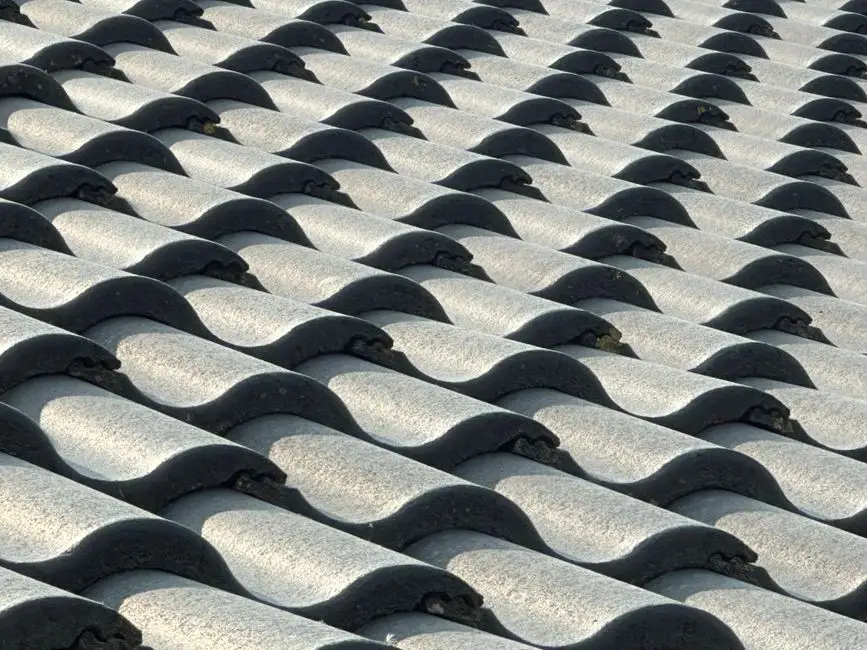
A 30,000-square-foot warehouse off I-40 had a 25-year-old built-up roof with four active leaks, wet insulation across roughly 40 percent of the deck, and ceiling tiles falling in two tenant spaces. The owner had spent $18,000 on repairs in 18 months.
After: We tore off the old BUR, replaced 12,000 square feet of wet insulation, installed 2-inch polyiso and 60-mil white TPO with a 20-year NDL warranty. Install took seven working days. Two hail seasons later, zero leaks and the tenant's summer HVAC load dropped noticeably.
Book this service →A 12,000-square-foot retail building had chronic ponding water in two low spots, blistered EPDM membrane and a failed curb flashing that leaked into a tenant's stockroom every spring. The owner had been told the whole roof needed replacement.
After: We installed tapered insulation and crickets to create positive drainage, replaced the failed flashing, and installed new 60-mil EPDM membrane across the field. Cost came in under a full tear-off because the deck was sound. Ponding is gone and the stockroom has stayed dry through two spring seasons.
Book this service →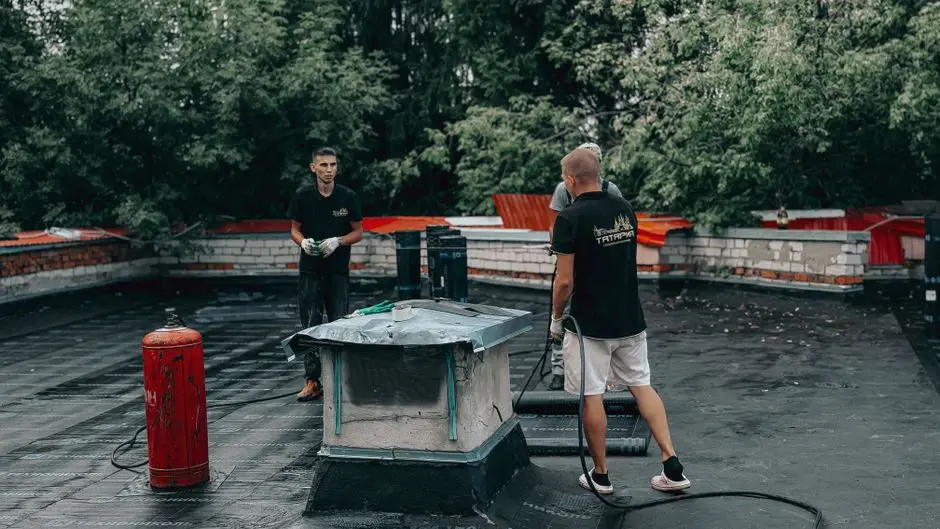
A 6,000-square-foot restaurant had a grease-damaged TPO roof that was failing at the seams around the kitchen exhaust. The owner could not close during the install and needed the work done without disrupting lunch and dinner service.
After: We phased the tear-off over four nights, installed PVC membrane rated for grease discharge, and rebuilt the exhaust flashing with a grease-rated boot. The restaurant stayed open every day. New roof carries a 15-year NDL warranty and has held through two summers of kitchen exhaust.
Book this service →Most commercial roof calls we get fall into a handful of patterns. Here is what we see and how we fix it.
Ask a pro →We core the roof to find every wet insulation zone, then replace the failed assembly rather than chase leaks. A new TPO or EPDM system with welded seams and correct flashing eliminates the recurring entry points.
We check slope with a level, clean or replace drains, and build crickets or saddles to move water off the roof. If the deck itself is the problem, we add tapered insulation to create positive drainage.
We document hail damage for your insurance claim, then install a hail-rated membrane system. Many of our TPO and PVC assemblies carry manufacturer hail warranties that cover impact damage.
We probe-test seams on every roof we survey. When seams are failing across the field, replacement is the honest answer. New membrane is welded and probe-tested before the manufacturer inspection.
“We had three leaks in one year on a 30,000-square-foot warehouse off I-40. De La Cruz tore off the old BUR, installed 60-mil TPO with new polyiso, and finished in seven working days. Two hail seasons later, zero leaks and the HVAC load dropped enough that our tenant noticed on the utility bill.”
Marcus T.Property Manager, Oklahoma City
✓ Verified“Our retail building had ponding water every spring. They built crickets, replaced the wet insulation and installed EPDM. The bid was line-itemed so I could see exactly what I was paying for. Crew showed up when they said they would and cleaned the lot every evening.”
Sandra K.Owner, Chickasha
✓ Verified“We needed a new roof on a 45,000-square-foot processing building and could not shut down operations. They phased the tear-off over two weeks and kept our dock clear. Manufacturer rep inspected it, warranty came back at 20 years NDL. Straightforward work, no surprises.”
Dale R.Facilities Director, Frederick
✓ VerifiedMost commercial roof installation cost in Oklahoma runs $6 to $14 per square foot installed, depending on membrane type, insulation thickness and how much deck repair is needed. A 20,000-square-foot TPO re-cover with 2-inch polyiso typically lands between $130,000 and $200,000. Tear-off adds $1.50 to $3.00 per square foot for disposal. We give you a line-item bid so you can see exactly where the money goes.
A 20,000-square-foot TPO install takes five to eight working days from tear-off to final inspection. Larger buildings run two to four weeks. Weather is the main variable: rain delays tear-off, and we will not weld membrane in standing water. We schedule around the forecast and give you a daily progress update so you know what to expect.
TPO membrane is the best all-around choice for most Oklahoma commercial buildings because it handles hail, reflects summer heat and welds into a strong seam. EPDM is a better fit for roofs with heavy foot traffic or chemical exposure. PVC is the right call over restaurants and any building with grease discharge. We spec the membrane to your building, not to whatever is on the truck.
Yes, most Oklahoma jurisdictions require a roofing permit for commercial re-roofs, and the permit triggers an inspection of the deck attachment and flashing details. We pull the permit, schedule the inspection and meet the inspector on site. Skipping the permit can void your manufacturer warranty and create problems at resale or refinance.
We install TPO, EPDM, PVC and modified bitumen systems on commercial buildings across Oklahoma, from metro warehouses to small-town retail and industrial roofs. Crews mobilize statewide and run the same install standards on every job. If you are searching for a commercial roofing installation Oklahoma contractor, we cover your area.
Metro warehouses, retail centers and office buildings with tight urban access. We plan crane staging and phased tear-offs around tenant schedules and street closures.
↗ 02 ChickashaMid-size industrial and retail buildings with metal decks and aging BUR systems. We core the roof, replace wet insulation and install TPO or EPDM with a warranted assembly.
↗ 03 ApacheRural commercial and agricultural buildings with wide-open wind exposure. We spec higher wind uplift ratings and mechanically attached membrane that holds through 70 mph gusts.
↗ 04 BokchitoSmall-town retail and light commercial roofs in Bryan County. We handle tear-off, deck repair and membrane install with the same crew that bids the job.
↗ 05 CanuteWestern Oklahoma commercial buildings exposed to hail and high wind. We install hail-rated TPO and PVC systems with manufacturer impact warranties.
↗ 06 ClaritaSmall commercial and church buildings in Coal County. We match the membrane to the building use and handle permits and inspections locally.
↗ 07 DavenportLincoln County commercial roofs, including retail and light industrial. We correct drainage, replace wet insulation and install warranted membrane systems.
↗ 08 Elmore CityGarvin County commercial buildings with ponding and seam issues. We build crickets, replace failed flashing and install new TPO or EPDM membrane.
↗ 09 FrederickTillman County retail and processing buildings with heavy summer heat load. Reflective TPO and PVC systems deliver the biggest cooling benefit here.
↗ 10 HealdtonCarter County commercial and oilfield-service buildings. We install hail-rated membrane systems and document storm damage for insurance claims.
↗We walk your roof, core the deck and hand you a written bid with system options and warranty tiers. Licensed, insured and bonded. Call 1-855-516-6090 or request a site visit online.
Request a Bid 18555166090 →Call us at 1-855-516-6090 or send a message and we will get back to you within one business day. Our office is open Monday through Friday, 8 a.m. to 6 p.m., and our emergency line is answered 24/7 for storm damage and active leaks. We serve commercial buildings across the entire state of Oklahoma.